


Author: Alex Chen

AI Knowledge Hub

Explore our complete collection of articles, tutorials, and insights about AI tools and technology.

The landscape of artificial intelligence continues evolving rapidly. AI trends 2026 promise revolutionary changes that will reshape industries worldwide. Moreover, these emerging technologies will fundamentally alter how we work, communicate, and solve complex problems.

As we approach 2026, several groundbreaking developments are gaining momentum. Furthermore, the convergence of multiple AI technologies creates unprecedented opportunities for innovation and growth.

Autonomous AI Agents: The Next Frontier of AI Trends 2026

Autonomous AI agents represent one of the most significant developments ahead. These intelligent systems will operate independently across various domains. However, they differ substantially from current AI assistants in their capability scope.

In addition, these agents will handle complex multi-step processes without human intervention. For example, they might manage entire project workflows, from initial planning to final execution. Therefore, businesses can expect dramatic improvements in operational efficiency.

The technology enables agents to learn continuously from their environment. As a result, they become more effective over time through accumulated experience. Furthermore, they will collaborate seamlessly with both humans and other AI systems.

Key Applications of Autonomous Agents

  • Project management and workflow automation
  • Customer service and support operations
  • Supply chain optimization and logistics
  • Financial analysis and investment decisions
  • Content creation and digital marketing campaigns

Moreover, these applications will transform traditional business models fundamentally. Organizations adopting autonomous agents early will gain significant competitive advantages. Machine learning automation serves as the foundation for these advanced capabilities.

Multimodal AI Systems: Comprehensive Intelligence Solutions

Multimodal AI represents another crucial aspect of upcoming technological evolution. These systems process multiple data types simultaneously, including text, images, audio, and video. However, their true power lies in understanding relationships between different modalities.

For example, advanced multimodal systems will analyze video content while simultaneously processing spoken dialogue. In addition, they will understand contextual nuances that single-mode systems typically miss. Therefore, applications become significantly more sophisticated and useful.

Furthermore, multimodal AI enables more natural human-computer interactions. Users can communicate through various channels simultaneously, creating intuitive interfaces. As a result, technology adoption barriers decrease substantially across different user demographics.

Revolutionary Multimodal Applications

Healthcare diagnostics will benefit enormously from multimodal AI capabilities. Moreover, these systems will analyze medical images alongside patient histories and laboratory results. Consequently, diagnostic accuracy improves while reducing time-to-diagnosis significantly.

Educational technology represents another promising application area. Furthermore, multimodal systems will adapt teaching methods based on student responses across multiple channels. On the other hand, traditional educational approaches cannot match this level of personalization.

Alt text suggestion for image: “Multimodal AI system processing various data types representing AI trends 2026 technological advancement”

Quantum-AI Integration: Unprecedented Computational Power

Quantum computing integration marks a revolutionary milestone in artificial intelligence development. These hybrid systems combine quantum processing with traditional AI algorithms. However, the implementation challenges remain significant despite promising early results.

In addition, quantum-AI systems will solve previously intractable computational problems efficiently. For example, complex optimization challenges in logistics and manufacturing become manageable. Therefore, industries requiring intensive computational resources will benefit tremendously.

Moreover, quantum enhancement will accelerate machine learning training processes dramatically. As a result, AI models will achieve higher accuracy levels while requiring less training time. Furthermore, this efficiency improvement will democratize access to advanced AI capabilities.

Quantum machine learning research continues advancing rapidly across multiple fronts. Nevertheless, practical implementation requires substantial infrastructure investments and specialized expertise.

Edge AI Evolution: Distributed Intelligence Networks

Edge AI represents a fundamental shift toward distributed computing architectures. These systems process data locally rather than relying on centralized cloud infrastructure. However, this approach offers significant advantages in latency reduction and privacy protection.

Furthermore, edge AI enables real-time decision-making in resource-constrained environments. For example, autonomous vehicles require instantaneous responses that cloud-based processing cannot provide. In addition, manufacturing systems benefit from immediate feedback loops and rapid adjustments.

Privacy concerns drive substantial adoption of edge AI solutions across various industries. Moreover, local processing ensures sensitive data never leaves the originating device or network. As a result, organizations can maintain compliance with stringent data protection regulations.

Edge AI Implementation Benefits

  1. Reduced latency: Local processing eliminates network transmission delays
  2. Enhanced privacy: Sensitive data remains within controlled environments
  3. Improved reliability: Systems continue operating despite network connectivity issues
  4. Cost optimization: Reduced bandwidth requirements lower operational expenses

Therefore, edge AI adoption will accelerate significantly as hardware capabilities continue improving. Edge computing solutions provide the foundational infrastructure for these advanced implementations.

Ethical AI and Governance: Building Responsible Systems

Ethical considerations become increasingly critical as AI systems gain broader capabilities. Moreover, 2026 will witness comprehensive regulatory frameworks governing AI development and deployment. However, balancing innovation with responsibility requires careful consideration across multiple stakeholders.

Furthermore, bias mitigation techniques will become standard practice in AI development workflows. For example, diverse training datasets and algorithmic auditing will ensure fair outcomes. In addition, transparency requirements will mandate explainable AI implementations across sensitive applications.

On the other hand, governance frameworks must remain flexible enough to accommodate rapid technological advancement. Therefore, adaptive regulatory approaches will become essential for maintaining innovation momentum while ensuring ethical compliance.

Preparing for the AI-Driven Future

Organizations must begin preparing now for the transformative changes ahead. Moreover, successful adaptation requires strategic planning and substantial investment in talent development. However, early preparation provides significant competitive advantages in the evolving marketplace.

Furthermore, workforce reskilling becomes essential as AI capabilities expand rapidly. For example, employees will need to develop complementary skills that enhance rather than compete with AI systems. As a result, human-AI collaboration will define successful organizations in 2026.

In conclusion, AI trends 2026 will reshape virtually every aspect of business and society. Therefore, proactive preparation and strategic implementation will determine organizational success in this transformative period.

Alex Chen
Last updated: Apr 17, 2026
5 min read

AI code generators are revolutionizing software development by automating repetitive coding tasks. These powerful tools help developers write cleaner code faster than ever before. Moreover, they reduce human error and boost overall productivity in programming projects.

The rise of artificial intelligence has transformed how we approach coding. Developers now have access to sophisticated tools that understand context and generate meaningful code snippets. Furthermore, these solutions integrate seamlessly into existing development workflows.

What Are AI Code Generators and How They Work

AI code generators use machine learning algorithms to understand programming patterns and syntax. They analyze vast amounts of existing code to learn best practices. As a result, these tools can predict what code developers need in specific situations.

These platforms typically work through natural language processing. You describe what you want in plain English. The AI then translates your requirements into functional code. However, the quality varies depending on the complexity of your request.

Most modern tools integrate directly into popular IDEs like Visual Studio Code. This integration makes the development process smoother. Additionally, many platforms offer real-time suggestions as you type.

Top 10 AI Code Generators for Modern Development

Choosing the right tool depends on your specific needs and programming languages. Each platform offers unique features and capabilities. Therefore, we’ve compiled this comprehensive list to help you make informed decisions.

1. GitHub Copilot

GitHub Copilot leads the market with its advanced autocomplete features. It supports multiple programming languages including Python, JavaScript, and TypeScript. Moreover, it learns from your coding style over time.

The tool excels at generating entire functions from simple comments. It also suggests test cases and documentation. However, it requires a subscription after the trial period.

2. Tabnine

Tabnine offers both cloud-based and local AI models. This flexibility ensures your code remains private when needed. Furthermore, it supports over 30 programming languages.

The platform provides intelligent autocompletion based on your team’s coding patterns. It also offers personalized suggestions. In addition, Tabnine integrates with most popular IDEs seamlessly.

3. Amazon CodeWhisperer

Amazon CodeWhisperer focuses on AWS development and cloud applications. It generates code optimized for Amazon services. Additionally, it includes built-in security scanning features.

The tool offers real-time suggestions and can generate entire functions. It also provides reference tracking for generated code. Moreover, Amazon offers a generous free tier for individual developers.

4. OpenAI Codex

OpenAI Codex powers many AI development tools in the market today. It understands natural language instructions exceptionally well. The model supports dozens of programming languages effectively.

Developers can access Codex through various interfaces and applications. It excels at translating requirements into working code. However, direct access requires API integration knowledge.

5. Replit Ghostwriter

Replit Ghostwriter works within the Replit online IDE environment. It offers code completion, generation, and transformation features. Furthermore, it provides explanations for complex code segments.

The tool is particularly useful for learning and prototyping. It supports collaborative coding sessions. Additionally, Ghostwriter can debug and optimize existing code automatically.

6. Codeium

Codeium provides free AI-powered code completion for individual developers. It supports over 70 programming languages. Moreover, it offers fast response times and accurate suggestions.

The platform includes chat functionality for code explanations. It also generates unit tests and documentation. In addition, Codeium works offline for enhanced privacy.

7. Sourcegraph Cody

Sourcegraph Cody understands your entire codebase context. It provides intelligent suggestions based on existing code patterns. Therefore, generated code maintains consistency with your project style.

The tool excels at code search and navigation features. It also offers refactoring suggestions. Furthermore, Cody integrates with popular version control systems.

8. IntelliCode

Microsoft IntelliCode enhances Visual Studio and VS Code experiences. It provides AI-assisted IntelliSense recommendations. Additionally, it learns from thousands of open-source projects.

The tool offers whole-line completions and refactoring suggestions. It also detects repeated code patterns automatically. Moreover, IntelliCode comes free with Microsoft development tools.

9. DeepCode

DeepCode focuses on code quality and security analysis. It identifies potential bugs and vulnerabilities automatically. The platform also suggests fixes and improvements.

The tool supports multiple languages including Java, Python, and JavaScript. It integrates with GitHub, GitLab, and Bitbucket. Furthermore, DeepCode provides detailed explanations for each suggestion.

10. Kite

Although Kite discontinued new development, existing installations remain functional. It offered intelligent code completions and documentation lookup. The tool was particularly popular among Python developers.

Kite provided copilot-style assistance before GitHub Copilot existed. It included function signatures and examples. However, users should consider migrating to actively maintained alternatives.

Key Benefits of Using AI Code Generators

These tools offer numerous advantages for development teams and individual programmers. They accelerate development cycles significantly. Moreover, they help maintain coding standards across projects.

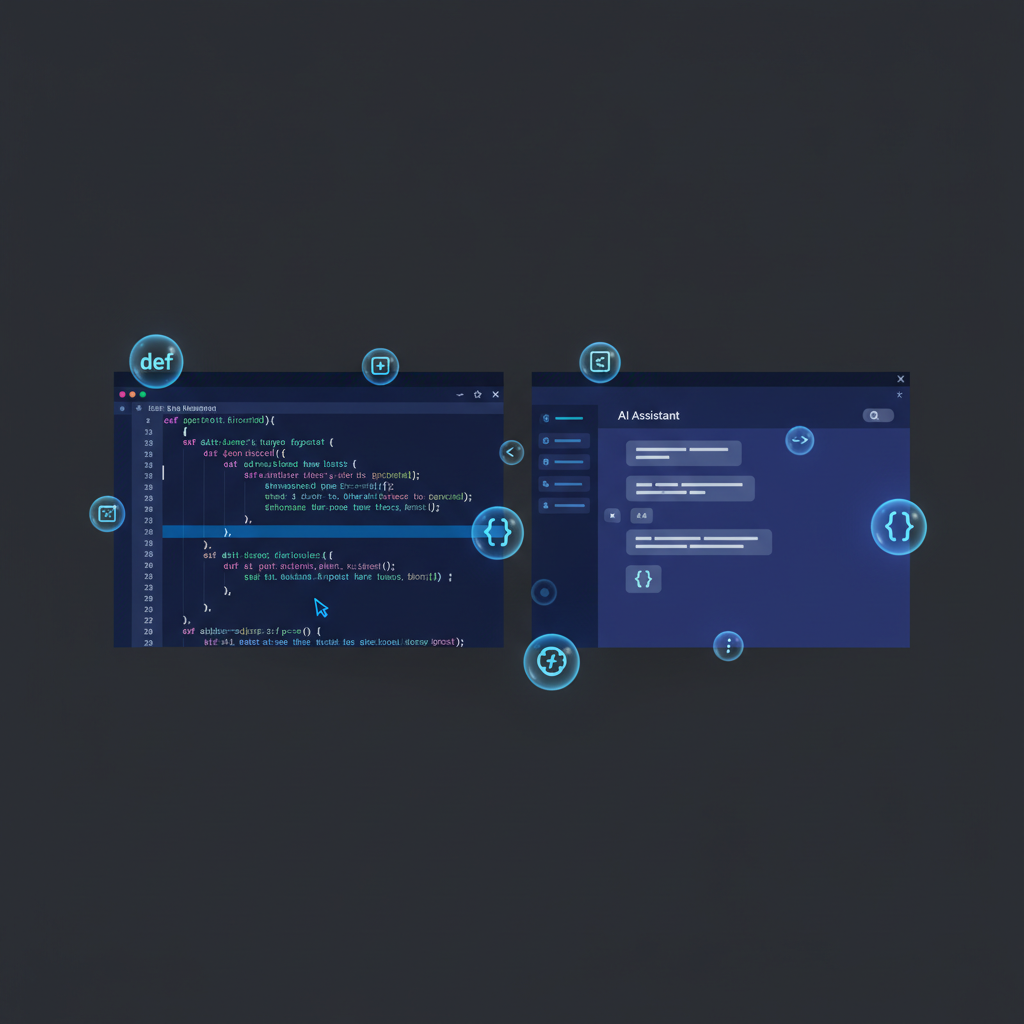
AI code generators boosting developer productivity and code quality

  • Increased Productivity: Developers can focus on complex logic instead of boilerplate code
  • Reduced Errors: AI suggests syntactically correct and optimized code patterns
  • Learning Aid: Junior developers learn best practices from AI suggestions
  • Consistency: Generated code follows established patterns and conventions
  • Documentation: Many tools generate comments and documentation automatically

Choosing the Right AI Code Generator

Selecting the best tool depends on several factors. Consider your primary programming languages and development environment. Additionally, evaluate integration capabilities with your existing workflow.

Budget constraints also play a crucial role in decision-making. Some tools offer free tiers with limitations. However, premium features often justify the subscription costs for professional teams.

Privacy requirements may influence your choice significantly. Some tools process code in the cloud. On the other hand, others offer local processing options for sensitive projects.

Future of AI in Software Development

The field continues evolving rapidly with new capabilities emerging regularly. Advanced models understand context better than previous generations. Therefore, we can expect even more sophisticated assistance in the future.

Integration with machine learning workflows will become more seamless. AI tools will likely handle larger code generation tasks. Furthermore, they may assist with architecture decisions and design patterns.

Natural language programming interfaces will become more intuitive. Developers may describe entire applications in plain English. As a result, the barrier between idea and implementation will continue shrinking.

Getting Started with AI Code Generation

Begin by experimenting with free tools before committing to paid solutions. Most platforms offer trial periods or free tiers. This approach helps you understand which features matter most for your workflow.

Start with simple tasks like autocomplete and basic function generation. Gradually explore more advanced features as you become comfortable. Moreover, combine multiple tools to find the optimal development setup.

Consider joining developer communities focused on AI-assisted programming. These groups share tips and best practices regularly. Additionally, they provide valuable feedback on different tools and techniques.

AI code generators represent the future of software development. They empower developers to build better applications faster while maintaining high quality standards. Therefore, embracing these tools early provides significant competitive advantages in today’s rapidly evolving tech landscape.

Alex Chen
Last updated: Apr 17, 2026
6 min read

AI writing tools 2026 represent a revolutionary shift in content creation technology. These advanced platforms now offer unprecedented accuracy, creativity, and efficiency for writers across all industries. Moreover, the latest generation combines natural language processing with deep learning to produce human-like content at scale.

Furthermore, businesses worldwide are adopting these intelligent solutions to streamline their content workflows. As a result, modern AI writing tools have become essential for maintaining competitive advantage in digital marketing.

Top AI Writing Tools 2026 Features

The newest AI writing tools 2026 showcase remarkable improvements over previous versions. For example, they now understand context better and maintain consistent brand voice throughout lengthy documents. Additionally, these platforms integrate seamlessly with popular content management systems.

However, the most impressive advancement lies in their ability to generate multiple content formats simultaneously. Therefore, users can create blog posts, social media content, and email campaigns from a single prompt.

Advanced Language Models

Current AI writing platforms utilize sophisticated language models trained on diverse datasets. In addition, they demonstrate improved understanding of nuanced topics and industry-specific terminology. Consequently, the output quality rivals that of experienced human writers.

  • Enhanced contextual understanding
  • Improved grammar and syntax accuracy
  • Better factual consistency
  • Reduced hallucination rates

Best AI Writing Tools for Different Use Cases

Selecting the right AI writing tools 2026 depends on your specific content needs. Nevertheless, several platforms stand out for their versatility and performance across various applications.

Furthermore, these tools excel in different areas such as content marketing strategies and technical documentation. Therefore, understanding their strengths helps users make informed decisions.

Long-Form Content Creation

Modern AI platforms excel at generating comprehensive articles and reports. Moreover, they maintain coherent narratives across thousands of words while incorporating relevant research and data. As a result, content creators can produce high-quality pieces in significantly less time.

However, human oversight remains crucial for ensuring accuracy and brand alignment. Therefore, the best approach combines AI efficiency with human editorial judgment.

Social Media and Marketing Copy

AI writing tools have revolutionized social media content creation. For instance, they can generate platform-specific posts that match audience preferences and engagement patterns. Additionally, these tools optimize copy for different marketing channels automatically.

Furthermore, advanced platforms now incorporate SEO best practices directly into their content generation process. Consequently, users achieve better search rankings with minimal additional effort.

Integration and Workflow Benefits

The latest AI writing tools 2026 offer seamless integration with existing business workflows. Moreover, they connect with popular project management tools, CRM systems, and publishing platforms. As a result, teams can maintain their preferred processes while leveraging AI capabilities.

In addition, these platforms provide real-time collaboration features that enhance team productivity. Therefore, multiple stakeholders can contribute to content development simultaneously without conflicts.

API and Custom Integrations

Enterprise-grade AI writing platforms offer robust API access for custom integrations. Furthermore, developers can build tailored solutions that match specific business requirements. Consequently, organizations achieve greater flexibility and control over their content operations.

However, proper implementation requires technical expertise and careful planning. Therefore, many companies partner with digital transformation consultants for optimal results.

Pricing and Value Considerations

AI writing tools 2026 pricing models vary significantly based on features and usage requirements. Nevertheless, most platforms offer scalable plans that accommodate businesses of all sizes. Moreover, the cost-per-word has decreased substantially compared to traditional content creation methods.

For example, small businesses can access professional-grade AI writing capabilities for less than the cost of hiring a part-time writer. Additionally, enterprise solutions provide volume discounts and custom pricing structures.

Return on Investment

Organizations typically see positive ROI within three months of implementing AI writing tools. Furthermore, productivity gains often exceed 300% for routine content tasks. As a result, teams can focus on strategic initiatives rather than repetitive writing work.

However, success depends on proper training and change management practices. Therefore, investing in user education maximizes the benefits of these powerful platforms.

Future Trends and Predictions

The evolution of AI writing tools shows no signs of slowing down. Moreover, upcoming developments promise even greater capabilities in personalization and domain expertise. Consequently, content creators should prepare for increasingly sophisticated AI assistants.

Furthermore, integration with voice interfaces and visual content creation will expand these tools’ versatility. Therefore, the boundary between different content types will continue to blur throughout 2026 and beyond.

Alex Chen
Last updated: Apr 17, 2026
4 min read

The landscape of AI writing tools 2025 has revolutionized how content creators approach their craft. Moreover, these advanced platforms offer unprecedented efficiency and quality. Content creators now have access to sophisticated tools that streamline workflows while maintaining authenticity.

For example, businesses can produce high-quality content faster than ever before. Furthermore, writers can overcome creative blocks using intelligent assistance. As a result, productivity has increased dramatically across industries.

Top AI Writing Tools 2025 for Professional Content

The market offers numerous options for content creators seeking efficiency. However, certain platforms stand out for their exceptional capabilities. Therefore, selecting the right tool requires careful evaluation of features and pricing.

Professional writers benefit from tools that understand context and tone. In addition, these platforms adapt to specific brand voices. Moreover, they provide real-time suggestions for improvement.

Leading Platforms Worth Considering

  • GPT-4 powered writing assistants with advanced reasoning
  • Specialized tools for marketing copy and sales content
  • Academic writing platforms with citation management
  • Creative writing tools for storytelling and fiction
  • Technical writing assistants for documentation

Each platform serves different needs effectively. For instance, marketing teams prefer tools optimized for conversions. On the other hand, academic writers need research integration features.

Essential Features in Modern AI Writing Tools 2025

Today’s platforms incorporate sophisticated natural language processing. Furthermore, they understand nuanced communication requirements. As a result, output quality has improved significantly compared to earlier versions.

Content personalization represents a major advancement this year. Moreover, tools can adapt writing styles to match specific audiences. Therefore, creators achieve better engagement rates consistently.

Advanced Capabilities to Expect

Modern platforms offer real-time collaboration features. Additionally, they provide comprehensive editing suggestions beyond basic grammar. However, the most valuable feature remains contextual understanding.

Integration capabilities have expanded considerably. For example, tools now connect seamlessly with popular content management systems. Furthermore, API access enables custom workflow development.

  1. Multi-language support with cultural context awareness
  2. Brand voice consistency across all content types
  3. SEO optimization with keyword density monitoring
  4. Plagiarism detection and originality verification
  5. Performance analytics and content optimization recommendations

Choosing the Right Platform for Your Needs

Selection criteria depend heavily on specific use cases. However, certain factors remain universally important. Therefore, evaluating these elements ensures optimal tool selection.

Budget considerations play a crucial role in decision-making. Moreover, scalability requirements affect long-term value. As a result, thorough research prevents costly mistakes.

Consider exploring content marketing strategies that complement AI writing tools. Furthermore, understanding SEO best practices enhances tool effectiveness significantly.

Budget-Friendly Options vs Premium Solutions

Free tools offer basic functionality for occasional users. However, professional content creators typically require advanced features. Therefore, premium subscriptions often provide better value.

Enterprise solutions include team collaboration features. In addition, they offer enhanced security and compliance options. Moreover, dedicated support ensures smooth implementation.

Maximizing Productivity with AI Writing Assistance

Effective implementation requires strategic workflow integration. Furthermore, understanding tool capabilities prevents underutilization. As a result, creators achieve maximum return on investment.

Training team members on platform features improves adoption rates. Moreover, establishing clear guidelines ensures consistent quality. Therefore, comprehensive onboarding programs prove essential.

Image suggestion: Screenshot of AI writing interface with multiple tools comparison – Alt text: “Comparison of top AI writing tools 2025 showing features and pricing”

Best Practices for Implementation

Start with pilot projects to evaluate effectiveness. Additionally, gather feedback from all team members regularly. However, avoid overwhelming users with too many features initially.

Create templates for common content types. Furthermore, establish review processes for AI-generated content. Therefore, quality standards remain consistently high.

  • Define clear objectives before selecting tools
  • Train teams on effective prompt engineering
  • Establish quality control checkpoints
  • Monitor performance metrics regularly
  • Adjust workflows based on results

Future Trends and Developments

The evolution of AI writing technology continues rapidly. Moreover, upcoming features promise even greater efficiency gains. As a result, early adopters maintain competitive advantages.

Integration with voice recognition and multimedia creation expands possibilities. Furthermore, improved understanding of context enhances output quality. Therefore, investment in current tools provides long-term benefits.

Understanding AI ethics in content creation becomes increasingly important. Moreover, staying informed about industry developments ensures optimal tool utilization.

The landscape of AI writing assistance will continue evolving throughout 2025. However, current platforms already offer substantial value for content creators. Therefore, implementing these tools now positions businesses for future success.

Alex Chen
Last updated: Apr 17, 2026
4 min read

Compare the real cost of AI tools for your team. Select tools, set your team size, and see which gives you the best value.

What are tokens? Tokens are how AI models measure text. Roughly, 1 token = 0.75 words. So 1,000 tokens is about 750 words. API pricing is per 1 million (1M) tokens. Input tokens = your prompts; Output tokens = AI responses.
tokens/month
How many hours AI saves you weekly
Your billable or salary-equivalent rate
What you pay for AI tools per month

Not sure which tool fits? Try our AI Tool Finder Quiz.

Alex Chen
Last updated: Apr 17, 2026
1 min read

Not sure which AI tool is right for you? Answer 5 quick questions and we’ll match you with the best tools for your needs, budget, and skill level.

Want to explore all tools? Browse our complete reviews or compare ChatGPT vs Gemini.

Alex Chen
Last updated: Apr 17, 2026
1 min read